
Orientation, shading and high-performance glazing reduce cooling and heating demand before a single system is switched on. Every new project is solar-ready by design.
Low-flow fittings, on-site treatment and greywater reuse for landscaping keep pressure off a scarce municipal supply.
Certified, batch-tested materials sourced locally wherever possible, with construction waste separated and recycled on site.
An audited HSE regime with mandatory protective equipment, toolbox briefings and recorded incident reporting on every site.
Fair contracts, on-time payment and training for local trades — plus public realm improvements around each development.
Native, drought-tolerant planting and shaded courtyards that make outdoor space usable through the Kabul summer.
These are not aspirations in a report — they are checklist items signed off before a project moves to the next stage.
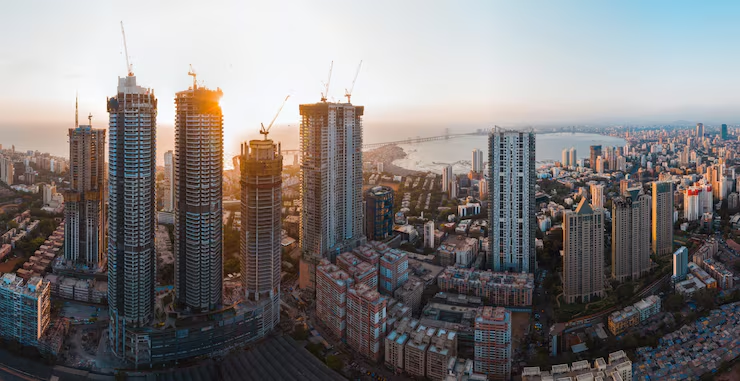
Safety performance is reviewed weekly with the site management team. Contractors who do not meet the standard are not invited back — that is the whole enforcement mechanism, and it works.