The value of a property is shaped by more than what sits inside its boundary. Access, convenience, walkability and the quality of the surrounding neighborhood all influence how useful an address becomes.
More useful hours in the day
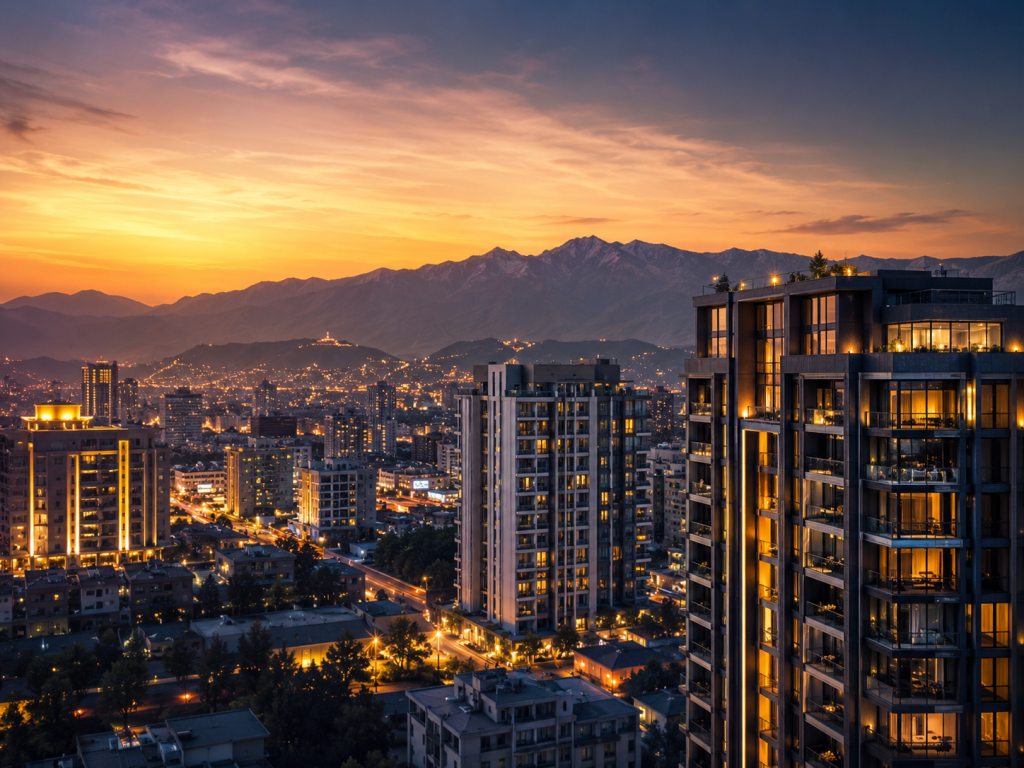
Mixed-use areas can support residents from morning to evening. Daily services, cafés, workplaces and public spaces create reasons for a neighborhood to stay active beyond a single use or time period.
Convenience without losing calm
The goal is not to place everything everywhere. Good mixed-use planning separates quieter residential zones from busier public edges while keeping essential destinations close and legible.
The strongest neighborhoods combine convenience with a clear hierarchy of public, shared and private space.
Better streets, stronger addresses
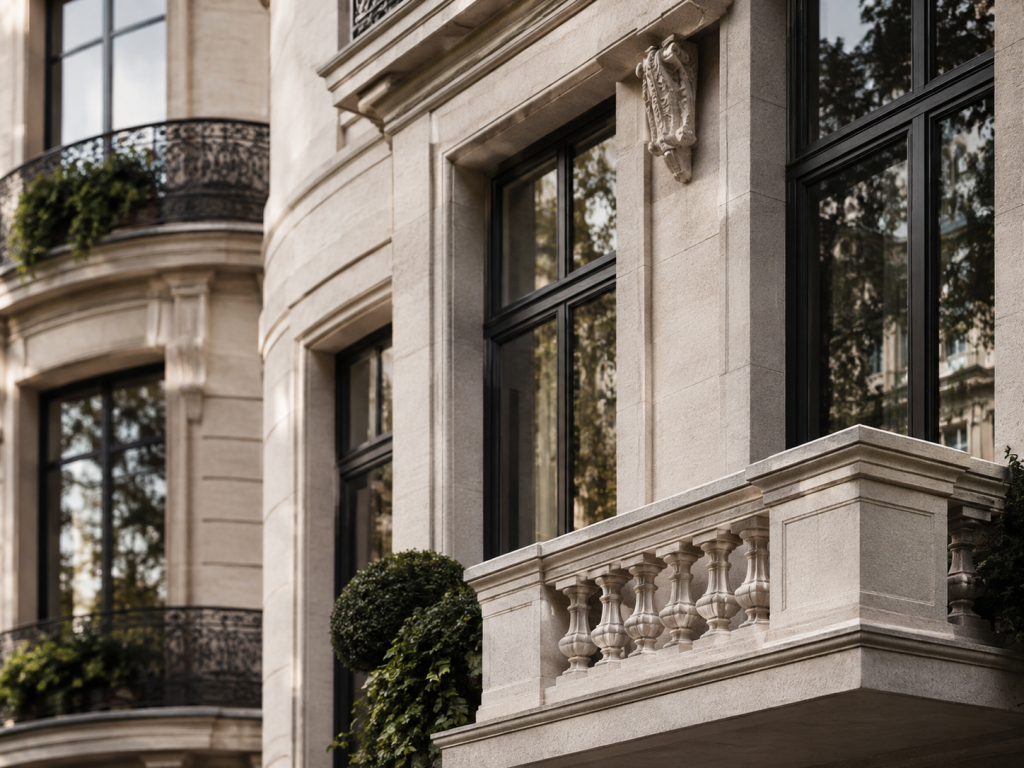
When ground floors are active and entrances are well considered, streets become easier to understand and more pleasant to use. Landscaping, lighting and pedestrian routes can add as much value as the buildings themselves.
Long-term resilience
A district with several complementary uses can adapt more easily as habits and markets change. That diversity can make a neighborhood more resilient—and can help create lasting demand for well-positioned homes and commercial spaces.