Materials are one of the first things we notice in architecture and one of the last things a building can hide. Over time, they reveal the quality of the original decisions.
Performance behind appearance
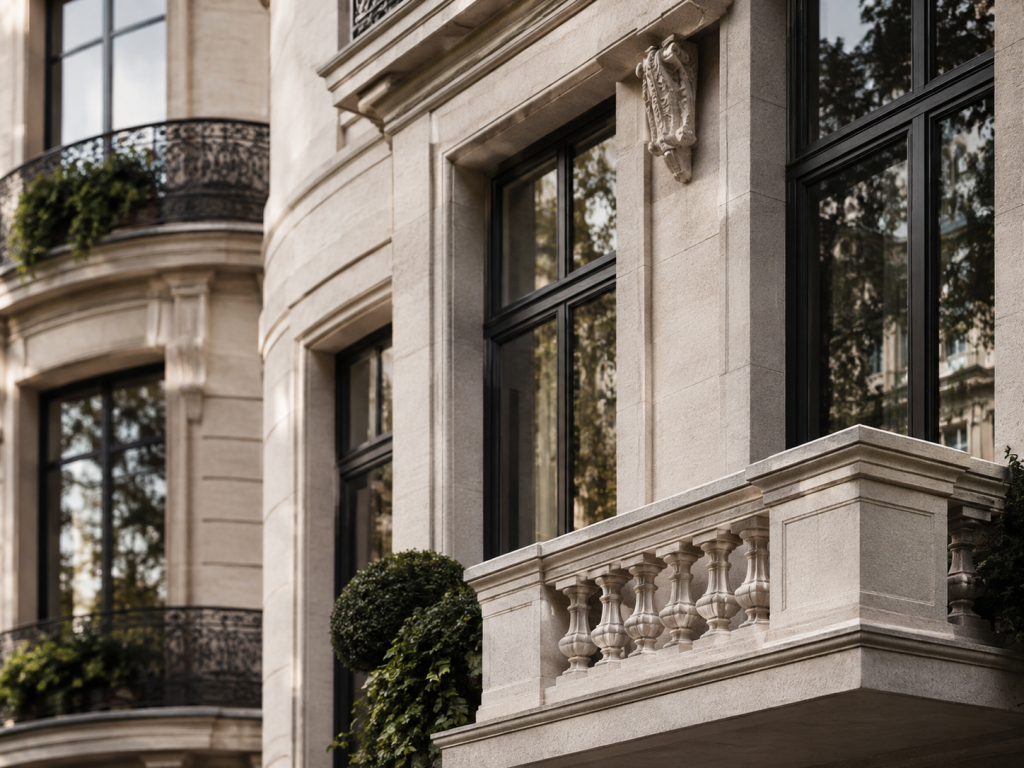
A façade has to handle sunlight, dust, temperature change and years of cleaning and maintenance. Choosing materials only for the first-day appearance can create problems later. Durability must be part of the design conversation from the beginning.
Detailing creates the difference
The same stone, glass or metal can feel refined or ordinary depending on how it is joined. Edge conditions, shadow gaps, drainage, fixings and transitions between materials are small details with a large visual effect.
A material becomes architectural when its performance and its appearance are designed together.
A better aging process
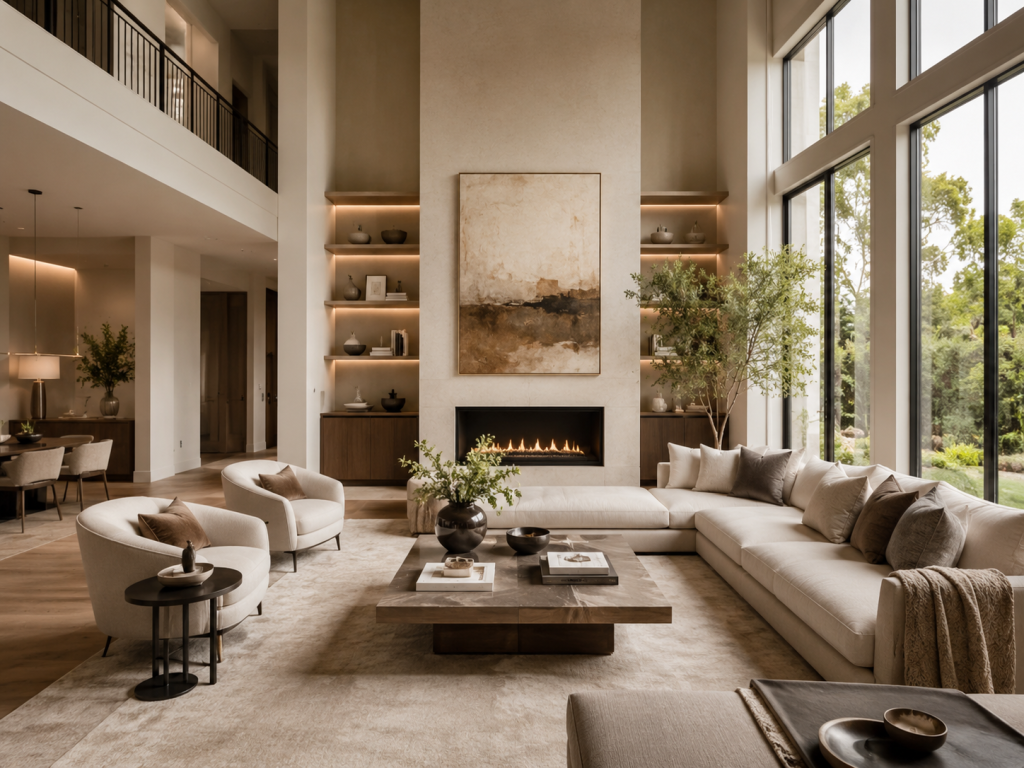
Some buildings deteriorate visually as soon as they are occupied. Others gain character. The difference often comes from choosing finishes that can tolerate real use and from accepting natural variation rather than relying on fragile perfection.
Value beyond the handover
Durable materials can reduce replacement cycles, support easier maintenance and preserve the identity of a development. That makes material quality not only a design decision, but a long-term investment decision as well.