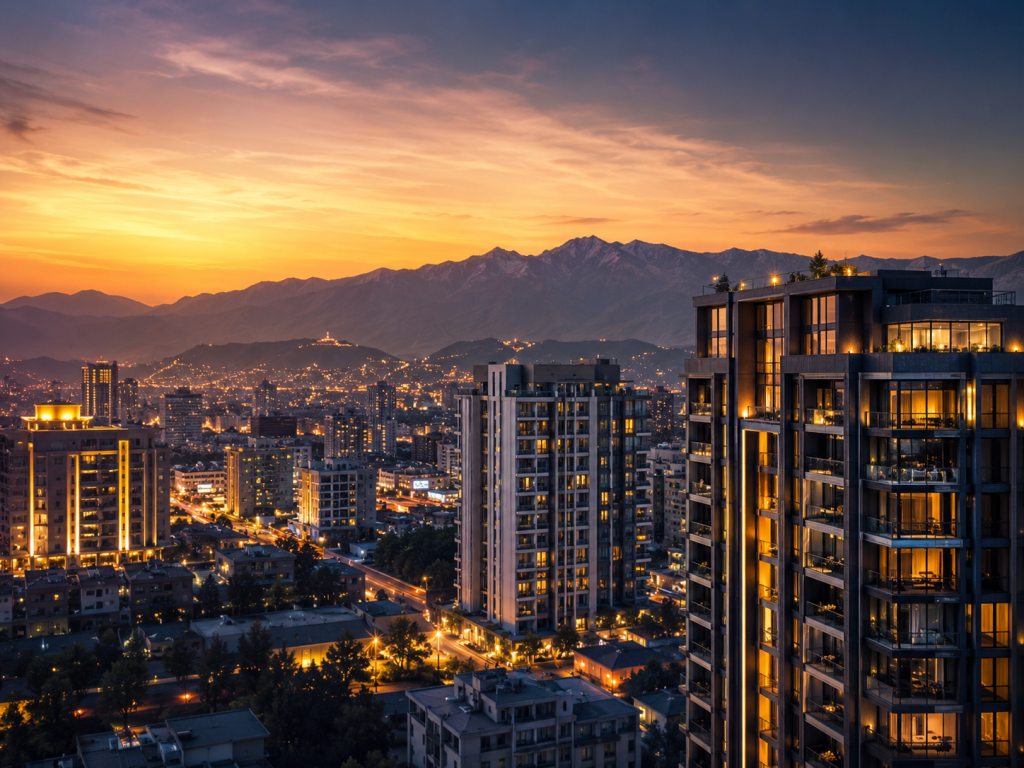
A city skyline is more than a collection of tall buildings. It is a record of how a place grows, what it values and how confidently it plans for the future.
Designing for the city, not just the site
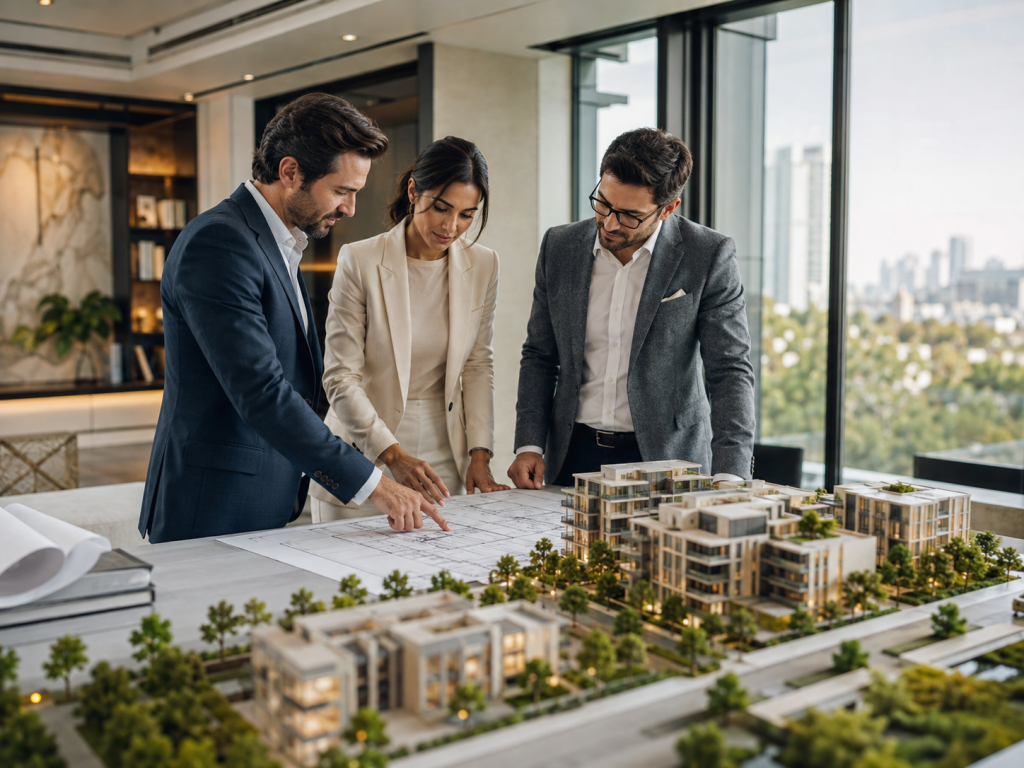
Good development begins with context. The strongest buildings respond to streets, views, neighboring homes and the daily movement of people. Height matters, but so do shadow, proportion, arrival and the spaces created at ground level.
In a fast-changing city, restraint can be as powerful as ambition. A carefully composed façade, durable materials and a clear architectural rhythm often age better than short-lived visual trends.
Enduring architecture earns its presence slowly—through use, light, weather and the everyday life around it.
Why material quality matters
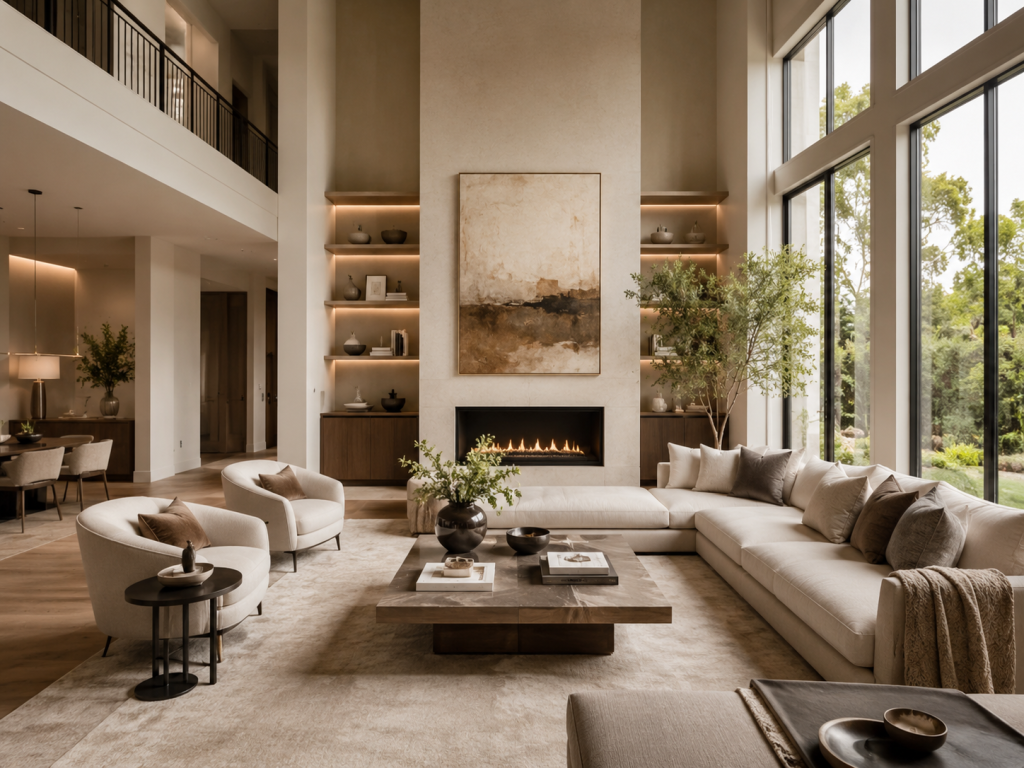
Materials influence more than appearance. They affect maintenance, thermal comfort, acoustics and the way a building feels at close range. Natural stone, well-detailed metalwork, high-performance glazing and thoughtful landscaping can give a development a quieter sense of permanence.
A skyline built over time
No single project defines a city. The larger impression comes from consistency: buildings that respect their surroundings, create useful addresses and contribute to a coherent urban character. That is where the next chapter of Kabul’s skyline can become both modern and lasting.